
Insights

The Lost Art of the Business Card: Does It Still Matter for Branding?
The Lost Art of the Business Card: Does It Still Matter for Branding?
The humble business card may be small, but it remains one of the most personal and memorable tools in modern branding. Even as digital profiles, email signatures, and instant networking platforms dominate, a well-crafted card delivers something technology cannot replicate: a tactile, intentional moment of connection. This article explores why business card branding still matters, how cards have evolved into strategic brand assets, and how Clearbridge Branding Agency helps companies across Philadelphia, South Jersey, and the Mid-Atlantic create business cards that bridge physical and digital experiences with purpose and personality.
Why Business Cards Still Matter for Brand Identity
Even in a digital world, a business card acts as a compact representation of your brand identity. It introduces your visual style, personality, tone, and professionalism in seconds. And while social media handles and email links are fleeting, a physical card creates a tangible interaction that people remember. This is especially true at conferences, networking events, client meetings, or local business gatherings where a meaningful exchange can set the stage for long-term relationships.
How Business Cards Have Evolved Beyond a Name and Logo
Modern business cards go far beyond basic contact information. Today, business card branding incorporates digital integrations and strategic storytelling. QR codes can link directly to websites, contact pages, or portfolios. NFC-enabled cards can instantly share saved contacts or launch landing pages. Specialty printing, textures, and finishes have also become more accessible, turning cards into powerful brand extensions. The card is no longer just a tool to share details, it is a physical proof of how forward-thinking, innovative, and detail-driven your brand is.
When Business Cards Still Work Best
Business cards shine in settings where human connection matters. In-person meetings, trade shows, Chamber of Commerce events, and local networking groups throughout Philadelphia, South Jersey, and the Mid-Atlantic offer opportunities to create lasting impressions. Handing someone a physical card signals intention and professionalism, and its tactile quality helps the interaction stick. When paired with scannable digital elements, a card becomes both a personal gesture and a seamless bridge into your broader digital presence.
Business Cards as Strategic Branding Tools
A great business card communicates identity. Typography choices influence perceptions of sophistication or creativity. Color selections reinforce emotional tone. Paper stock, texture, embossing, foil, and layout all contribute to how someone feels about your brand. A card that is clean, bold, or innovative reinforces the same story your website, social channels, and marketing materials are telling. It becomes a pocket-sized billboard that continues to shape perception long after the conversation ends.
Connecting Business Cards to a Larger Brand Strategy
For a business card to be effective, it must be aligned with the broader brand system. This includes consistent color palettes, recognizable typography, unified messaging, and a visual style that is cohesive across all channels. A QR code should lead to a mobile-friendly page that feels like a natural extension of your brand story. The design should mirror the tone and aesthetic of your website, presentation templates, and marketing materials. When integrated properly, the business card becomes another trustworthy and strategic touchpoint that reinforces brand strength, regardless of where someone encounters you.
Pocket-Sized Branding That Still Packs a Punch
In a swipe-first culture, a business card can be the rare moment that slows someone down in a good way. It creates a spark of connection, reinforces professionalism, and serves as a physical reminder that lingers long after the introduction. A well-designed card signals that your brand values both creativity and consistency and that you’re intentional about how you present yourself.
At Clearbridge Branding Agency, we help businesses across Philadelphia, South Jersey, and the Mid-Atlantic region bring creativity and strategy to every touchpoint, from digital campaigns to timeless, tactile tools like business cards. If your brand is ready for an upgrade, we can help you design a card that is memorable, modern, and meaningfully connected to your larger brand system. Contact our team to start creating brand materials that get remembered, not overlooked.
TL;DR: When Business Cards Still Matter
Business cards still strengthen brand identity, spark memorable in-person connections, bridge physical and digital brand experiences, and reinforce professionalism. When designed with QR codes, consistent brand elements, and intentional styling, they remain one of the most effective low-tech brand tools available.
Frequently Asked Questions About Business Card Branding
Do business cards still matter in a digital world?
Yes. Business cards offer a personal, tangible connection that digital exchanges cannot replicate. When designed with modern features, they reinforce your brand and extend the interaction beyond the moment.
How can business cards connect with digital branding?
Features like QR codes or NFC technology allow business cards to link directly to websites, portfolios, or contact information, making them more functional and interactive.
What features make a business card stand out?
Strategic typography, color, layout, specialty finishes, premium paper stock, and cohesive branding all contribute to the card’s memorability and effectiveness.
Should business cards match my website and other marketing materials?
Absolutely. Consistency across brand touchpoints builds trust and recognition. Business cards should be part of the same visual identity system used online and offline.
Do modern business cards need QR codes?
Not always, but QR codes enhance functionality by quickly and seamlessly connecting the offline brand experience to online content.
About Clearbridge Branding Agency
Clearbridge Branding Agency works with businesses across Philadelphia, South Jersey, the Mid-Atlantic, and nationwide to create strategic, modern, and cohesive visual identities. From brand audits and messaging development to business card design, digital marketing, and multi-channel brand execution, our team ensures every touchpoint reinforces your brand story with clarity and creativity.

This is the Sign Your Logo Needs a Rebrand
Is it Time To Rebrand Your Logo?
A logo is more than just a design; it serves as the visual shorthand for your brand’s identity. However, over time, even the most iconic logos can begin to feel outdated or disconnected from the current essence of the business. Knowing when to rebrand your logo goes beyond aesthetics; it involves staying relevant, competitive, and aligned with your company’s values, audience, and evolution.
Businesses change, as do customers. Market trends shift, technology advances, and brand narratives evolve. Yet, many businesses treat their logo as a permanent fixture when, in reality, it should be regularly reassessed to ensure it effectively represents the brand. Ignoring this need can lead to missed opportunities, a weakened perception, or confusion among potential customers.
Knowing When to Rebrand Your Logo
Recognizing when to rebrand your logo starts with identifying the signs that your current identity is no longer effective. One clear indicator is that your logo does not reflect what your business currently offers. If your services or product offerings have expanded, or your positioning has changed, your logo should reflect that growth.
Another sign that it’s time for a change is inconsistency across platforms. Logos designed years ago may not scale well for today’s digital environments, particularly on mobile devices or social media platforms. If your logo looks outdated, pixelated, or visually cluttered in smaller formats, it may be time to reconsider its functionality.
Additionally, rebranding may be necessary if your target audience has shifted. Businesses that expand into new markets or age into a different demographic often find that their old branding no longer resonates. In such cases, the issue isn’t necessarily the design of the logo but its relevance to the audience it aims to reach.
Examples of Successful Logo Evolution
Many recognizable brands have refreshed their logos while maintaining their core identity. Starbucks is a prominent example; their original logo featured intricate text and maritime imagery, but over the years, it evolved into a clean, green emblem that highlights the siren at the center. This logo is easily recognizable at a glance and is designed for digital clarity.
Airbnb is another example. Their original logo lacked uniqueness and visual impact. Their current “Bélo” symbol is abstract, modern, and rich with meaning, supporting their brand promise of belonging. These companies did not abandon their identity; instead, they refined and evolved their logos to better represent who they are today and where they are headed. Sometimes your brand needs evolution and not revolution when it comes to your logo.
How Clearbridge Helps Brands Reimagine Their Logos
Rebranding a logo requires a thoughtful strategy, not just a superficial update. At Clearbridge Branding Agency, we assist businesses in making informed, creative, and intentional updates. This process involves exploring what is working, what isn’t, and what story the logo needs to tell moving forward.
Our approach begins with research and brand audits, followed by a collaborative design exploration. We ensure that the new logo honors the equity of the old one while aligning with the current vision and goals of the business. From concept to implementation, we manage the entire process, ensuring your audience understands and embraces the change. We provide brand guidelines as part of our process so that this new logo is consistent for all audiences now and in the future.
The Impact of a Well-Timed Logo Rebrand
Deciding when to rebrand your logo can mark the beginning of stronger engagement and renewed energy around your brand. It sends a message both to internal teams and external audiences that your company is moving forward with intention. A refreshed logo can help clarify your story, connect with new customers, and strengthen loyalty among existing ones.
Brand identity is not static; it should grow with your business. Your logo is the most visible part of that growth. If your current branding no longer reflects who you are or where you are headed, it may be time to ask yourself: is now the right time to rebrand your logo?
If you’re ready to explore what a modern, aligned, and strategic logo update could mean for your business, connect with Clearbridge Branding Agency. We will guide you through every step of your journey from evaluation to evolution.

Brand Identity Is A Lie Without Brand Image
Brand Identity and Brand Image: Why Knowing the Difference Matters
As long as businesses are building brands, the confusion between identity and image will persist. These two terms are often used interchangeably, but they refer to very different aspects of branding. Clarifying what brand identity and brand image really mean helps any organization looking to build recognition, trust, and long-term success. Failing to understand the difference can result in mixed messaging, customer disconnect, and a lack of consistency across every touchpoint.
Brand identity is how a company defines itself. It includes logos, colors, fonts, messaging, voice, values, and positioning. It’s the internal blueprint a brand creates to represent who they are and what they stand for. Brand image, by contrast, is how the audience perceives the brand. It’s shaped by experiences, impressions, and word-of-mouth. Even if the identity is perfectly defined, if the image is off, the brand won’t connect with its intended audience.
Brand Identity and Brand Image: Why the Gap Exists
The difference between brand identity and brand image often stems from a lack of alignment. A company may invest time and resources into building a visual identity, launching a new logo, or refreshing its messaging. But if the way that identity is delivered in the real world doesn’t match customer expectations or experience, the image begins to drift and falls short.
Take, for example, a luxury skincare brand that uses elegant design and language to promote exclusivity. If the packaging feels flimsy or the customer service is lackluster, the image formed in the minds of customers will be inconsistent with the intended identity. The result? Confusion, distrust, and disengagement.
Another example might be a tech startup branding itself as innovative and agile. If their website is hard to navigate and their social content is generic, the image that develops will reflect something entirely different from what the company hopes to communicate.
How Strategic Branding Aligns Identity and Image
Solving the identity-image disconnect is not a one-time fix. It takes a deliberate, strategic approach rooted in consistency and insight. This is where a branding agency brings significant value. Agencies help businesses define a clear brand identity and ensure that every expression of that identity, whether that be digital, physical, or experiential, is consistent and relevant to the intended audience.
This includes everything from brand audits and customer research to tone-of-voice development and visual storytelling. By managing how the identity is expressed and measuring how the brand is perceived, agencies can help close the gap between intention and interpretation. The clearer the alignment, the stronger the brand.
When businesses understand what brand identity and brand image really mean, they begin to see branding not just as aesthetics, but as an essential element of strategy. Identity defines the promise; image reflects the delivery of that promise. Successful brands keep both in sync.
Align Your Brand Identity and Brand Image With Expert Guidance
Your brand identity is what you create. Your brand image is what people remember. When the two are out of sync, it can lead to missed opportunities, mixed messages, and a disconnect with your audience. At Clearbridge Branding Agency, we help bridge that gap through thoughtful, strategic branding that ensures your business is seen the way it’s meant to be.
Through in-depth discovery, brand audits, and creative alignment, we work with you to clearly define who you are, understand how your brand is currently perceived, and develop a cohesive brand presence that’s consistent across every touchpoint. Whether you’re building from scratch or rethinking your direction, we’re here to help your brand resonate and thrive. Contact us to get started on a branding strategy that works as hard as you do.

How to Stay Relevant With Seasonal Branding Without Losing Consistency
Adapting your brand for different seasons and holidays is one of the best ways to stay fresh in the minds of your audience. It’s always fun for the consumer when brands show a little seasonal spirit, but the challenge comes in balancing those fun, timely touches with a brand identity that remains instantly recognizable. That’s where smart seasonal branding ideas come into play. When done thoughtfully, they can help you connect with customers in meaningful ways without straying too far from the core of who you are.
Why Seasonal Branding Matters
Seasonal moments create natural opportunities to connect with your audience. A holiday marketing strategy done right taps into shared experiences, cultural touchpoints, and the excitement that comes with annual traditions. Think of Starbucks rolling out its red holiday cups each winter. The design changes every year, yet the cups are unmistakably Starbucks. Customers look forward to them, not just for the seasonal drinks but for the feeling those cups represent. That consistency wrapped in seasonal flair is what makes it effective.
How to Adapt Visuals Without Losing Identity
When you update your brand’s look for a season, it should feel like an outfit change rather than a costume. Color palettes, typography, and graphics can shift toward seasonal themes while still staying within the visual boundaries your brand already owns. For example, if your logo is usually in blue, incorporating a snowy white overlay in winter or a pastel accent in spring can create seasonal interest without confusing your audience about who you are. The goal is to enhance, not reinvent.
Messaging That Stays On Brand
Words matter just as much as visuals when shaping seasonal campaigns. A holiday marketing strategy should tie into your existing tone of voice, whether that’s playful, professional, or somewhere in between.
Consistency in voice builds trust, and when that voice is maintained through seasonal campaigns, audiences feel a stronger connection to your brand. This doesn’t mean repeating the same phrases every season, but rather applying the same personality and style to new, timely contexts.
A brand that thrives on wit can find clever ways to comment on seasonal traditions, while a brand that speaks more sincerely can lean into language that reflects warmth, gratitude, or togetherness. The important thing is to ensure that the language you choose aligns with your brand values so that seasonal campaigns feel like natural extensions of your identity. When messaging is approached this way, it not only reinforces brand recognition but also makes your seasonal campaigns more memorable and impactful.
Campaigns That Feel Timely and Consistent
One of the strongest seasonal branding ideas is to anchor your campaign in universal traditions while weaving in your brand’s personality. For example, Coca-Cola often ties winter ads to family gatherings and togetherness, aligning with the brand’s long-standing message of happiness and sharing. Your brand might not have a polar bear mascot, but you can still create campaigns that celebrate seasonal moments in a way that reinforces your core values. By pairing consistency with seasonality, you ensure your audience feels both the spark of something new and the comfort of something familiar.
Not every seasonal campaign has to follow the predictable red-and-green holiday path. A great example of breaking out of the mold is Spotify’s “Wrapped” campaign. At the end of each year, Spotify doesn’t lean on traditional holiday symbols but instead offers users a personalized look back at their music journey from the past twelve months. It’s playful, data-driven, shareable, and deeply personal, creating a cultural moment that audiences anticipate and engage with enthusiastically. By celebrating something meaningful (music habits) instead of relying on common holiday tropes, Spotify has built an end-of-year tradition that’s both festive and fresh. This shows that seasonal branding can be just as effective, if not more so, when it speaks to the customer’s unique experiences rather than sticking to standard holiday colors or icons.
Finding the Balance Between Fun and Focus
Seasonal branding should always support your larger marketing goals. It’s tempting to go all out with holiday bells and whistles, but too much seasonal dressing can drown out the brand itself. The best approach is to think of seasonal branding as a highlight rather than a complete redesign. You are giving your audience something timely to connect with, while also reminding them of the bigger picture, your products, services, and values that last year-round.
Wrapping It Up (With a Bow)
Seasonal branding is about keeping your brand relevant, approachable, and memorable while staying consistent at the core. With the right mix of thoughtful visuals, authentic messaging, and strategic campaigns, your audience will enjoy the seasonal sparkle without ever losing sight of who you are.
At Clearbridge Branding Agency, we help brands bring this balance to life. From developing seasonal branding ideas to creating a holiday marketing strategy that feels true to your identity, our team knows how to make your brand shine all year long. Give us a call at 856.327.4141 and let’s talk about how we can make your brand’s seasons brighter.
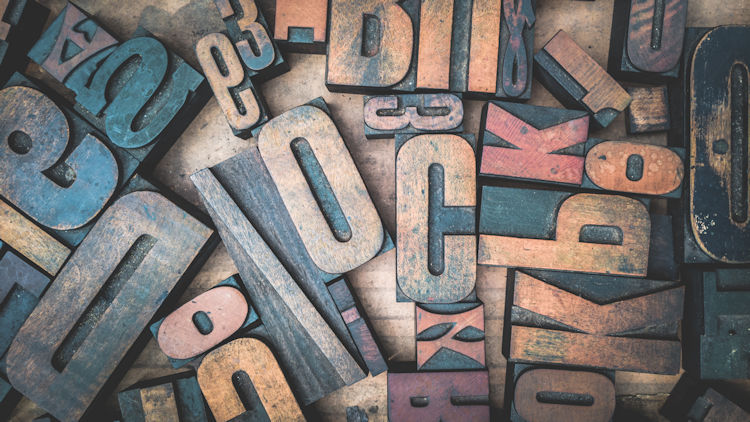
Typography: The Most Overlooked Branding Power Move
Typography In Branding Is More Than Just a Design Detail
Fonts do more than simply fill space; they carry weight, emotion, and meaning. In branding, typography shapes how a brand presents itself to the world. It influences tone, credibility, and recognition. Despite this, many businesses treat typography as a secondary consideration or an afterthought, rather than a strategic tool. It is important to consider typography as the language of your brand.
Every curve, serif, and stroke of your typeface conveys a message. Whether you select a clean, modern sans serif or a bold, vintage slab serif, your typography sets expectations for your audience, indicating who you are before they read a single word. When chosen with intention, it serves as a silent ambassador for your brand.
Why Typography in Branding Affects Perception
Typography acts as a visual extension of your brand’s voice. Just like tone of voice and logo design, your font choices should reflect your values and personality. For example, a bank that uses playful or childlike typography may create confusion or even distrust. Conversely, a toy company that adopts a rigid, corporate-looking font could come across as cold or unapproachable.
Effective typography enhances clarity and fosters connection. It makes content easier to read and elevates the user experience. Poor typography can distract, frustrate, or even undermine your message. Businesses that overlook the importance of typography in branding risk weakening the very identity they are trying to build.
Real-World Examples: When Typography Helps and Hurts
Consider high-end fashion brands like Chanel and Dior. Their elegant, timeless typography reinforces a sense of luxury. In contrast, the simplicity of Apple’s fonts underscores the brand’s commitment to minimalism and innovation. These brands do not just select fonts; they use typography to reinforce their identities and values. Often, brands even have fonts created to ensure they are original to their brand. Examples of this include the BBC and Google.
On the other hand, take Tropicana’s infamous rebranding in 2009. While the logo change gained attention, the shift in typography was equally disruptive. The clean, modern typeface introduced lost the warmth and familiarity of the original, leading to confusion among loyal customers. Subsequently, sales plummeted, and the brand reverted to its original look within weeks.
Another cautionary tale is the Gap’s short-lived 2010 logo update. The new font aimed to modernize the brand but ended up stripping years of identity and equity. The immediate backlash led Gap to pull the design within a week, demonstrating that the wrong typeface can alienate more than it attracts.
Typography Should Never Be an Afterthought
Typography influences mood, emotion, and trust. When businesses invest time in selecting typefaces that align with their brand personality, the result is greater cohesion and clarity. Carelessly chosen typography, treated merely as decoration, introduces friction into the brand experience.
At Clearbridge Branding Agency, we recognize the vital role typography plays in shaping brand perception. We collaborate with clients to identify fonts that not only look appealing but also convey the right message. Typography becomes a strategic asset, ensuring that every piece of content supports the broader brand identity. We also ensure that these typefaces work across all channels.
How to Choose the Right Typography for Your Brand
Choosing the appropriate typography begins with understanding your brand’s personality. Is your brand sophisticated and timeless, playful and bold, or minimal and modern? Your typeface should reflect that identity with clarity. For instance, a high-end boutique may benefit from an elegant serif font that conveys luxury and tradition, while a forward-thinking tech company might opt for a sleek sans-serif font to emphasize innovation and simplicity. The emotional tone expressed through typography should harmonize with your brand’s voice, message, and mission.
Readability should always be a priority, especially across digital platforms. Fonts must be adaptable to various sizes and contexts, from mobile screens to printed materials. Also, consider how your typography pairs with your logo and other design elements. Consistency is crucial for visual recognition. Your brand may use a primary typeface for headlines and a complementary one for body copy, but the objective remains the same: every letter should reinforce the story you want to convey. Choosing typography is not merely a creative decision—it is a strategic one that helps define how your brand is perceived, understood, and remembered.
Certain industries, such as banking and other regulated sectors, also face compliance requirements where typography plays a role in ensuring readability at small sizes to meet legal communication standards.
Let Your Typography Tell the Right Story
If your current typefaces feel outdated, lack consistency, or fail to represent your brand’s personality, it may be time for a refresh. At Clearbridge Branding Agency, we do more than help you choose the right fonts; we assist you in creating a visual identity that communicates with clarity and confidence across all platforms, from print to digital.
Whether you’re building a new brand from the ground up or refining an existing one, our team can guide you through the typography decisions that support your story, amplify your message, and elevate your presence. Contact us to schedule a branding consultation and discover how we can bring consistency, creativity, and strategy to every letter of your brand.

How To Write A Great Tagline That Works
What Makes A Great Tagline And Why It Matters More Than You Think
In just a few words, a tagline can evoke emotions, create instant recognition, and communicate what a brand stands for. The challenge lies in ensuring those few words carry significant weight. When you set out to write a great tagline, it’s not just about being clever; it’s about being clear, purposeful, and memorable.
Taglines are often the first impression a brand makes. They accompany your logo, appear in advertisements, and become part of your brand’s verbal identity. Iconic examples like Nike’s “Just Do It” or M&M’s “Melts in Your Mouth, Not in Your Hands” show that the most effective taglines often enter everyday conversation.
Great Taglines That Hit the Mark
Some of the most iconic taglines succeed because they resonate with a core truth about the brand. Take Apple’s “Think Different,” for instance; it encouraged the audience to view the brand as more than just a computer company.
Even shorter taglines, such as McDonald’s “I’m Lovin’ It” or L’Oréal’s “Because You’re Worth It,” carry emotional significance. These taglines convey how the brand wants you to feel—they aren’t just statements; they’re invitations into the brand’s world.
Actionable Tips for Crafting a Tagline That Stick
When you’re ready to write a standout tagline, begin by anchoring it in your brand’s purpose. Consider what your business genuinely offers beyond products or services and why that matters to your audience. The most successful taglines are built on clarity, not complexity. Focus on one clear idea that encapsulates the essence of your brand; if you try to convey too much, it may fail to resonate.
Keep it short and memorable. A tagline should be easy to say, easy to remember, and ideally no more than a few words. Test it aloud to examine how it flows. Does it sound natural? Is it distinct? Is it believable? Is it distinct from your competitors’ promise? Rhythmic patterns or clever wordplay can enhance it, but prioritizing clarity over cleverness is crucial.
Ensure that your tagline aligns with your brand voice and emotional tone. If your brand is confident and empowering, your tagline should reflect that energy. Conversely, if it’s thoughtful and sincere, avoid being overly casual or playful. Aligning the tone with your overall identity fosters a consistent brand experience across all touchpoints.
Finally, seek feedback from others. A tagline that feels perfect to your internal team may not resonate the same way with your target audience. Gather external input, observe emotional reactions, and ensure that the tagline conveys the right message without requiring extra explanation. A truly great tagline should stand alone while effectively communicating everything you need it to.
How Clearbridge Helps You Write a Great Tagline
Creating a tagline that resonates isn’t a matter of guesswork. At Clearbridge Branding Agency, we collaborate closely with businesses to uncover their voice, mission, and message. We delve deeply into what the brand represents, who it serves, and how it should be remembered. From there, we refine the language until the right words emerge—words that are authentic, engaging, and unforgettable. And present a promise distinctly different from your competitor.
Whether it is for a new brand or a refresh of an existing one, the right tagline can enhance your visibility and strengthen your connection with your audience. Crafting an impactful tagline requires more than just good writing; you need strategic insight, creative precision, and a partner who understands how to turn words into lasting impressions.
Finally, make sure you legally protect your tagline by registering it as a trademark to prevent other businesses from using it and to safeguard your brand’s distinct identity in the marketplace.
Make Your Tagline Unforgettable
If you’re struggling to communicate who you are and what makes you unique in just a few words, you’re not alone. At Clearbridge Branding Agency, we specialize in transforming brand insights into memorable, meaningful taglines that resonate with audiences and endure over time.
Our team will collaborate with you to uncover the essence of your brand, explore tone and positioning, and craft a tagline that captures your audience’s attention and builds trust and recognition. Whether you’re launching something new or refreshing an existing brand, we are here to help your message shine. Reach out Clearbridge Branding to start the conversation and discover how the right words can transform how people perceive your brand.

Asking for User-Generated Content Without Sounding Pushy
Asking for user-generated content (UGC) can make you feel that you’re putting your audience on the spot. Most social marketers know the power of UGC, photos, reviews, videos, and shoutouts from real customers, but they’re not always sure how to get it without sounding desperate or, worse, robotic.
The good news is that you don’t have to beg, bargain, or bribe. When done well, asking for user-generated content feels natural, and customers are often happy to share it. People love to show off a great meal, a new outfit, or an experience they enjoyed. They just need a little encouragement and a clear way to share it.
Make It Easy (and Fun)
One of the most effective ways of asking for user-generated content is to make it feel effortless. Instead of sending a long-winded request or burying your ask deep in the fine print, keep it simple. Add a friendly prompt on your website or in your email like, “Tag us in your post for a chance to be featured!” Or print a reminder on product packaging that says, “We’d love to see how you use this—share your photo with #MyBrandStyle.”
When the process is quick and the reward is clear (even if it’s just the excitement of a feature), customers are far more likely to take action. Keep in mind that not everyone wants to be the star of your feed, but many people love to be acknowledged. Just the possibility of being highlighted by a brand they love is often enough motivation.
Ask at the Right Moment
Timing matters. If you’re asking for user-generated content, think about when your customer is feeling the happiest. For a retail brand, that might be a few days after a package is delivered. For a service-based business, it could be right after a positive experience or a glowing testimonial.
Following up with a light-hearted, friendly message like“We’re so glad you loved it! Snap a pic and tag us! We’d love to share it.” This can feel like a natural next step rather than a sales pitch. The trick is to avoid making it feel like a transaction. You’re not asking them to work for you. You’re inviting them to be part of your brand story.
Keep It On-Brand
Your tone should always match your brand personality. If your voice is fun and upbeat, your request for content should be, too. If your brand is more refined or minimalist, your ask can still be warm and encouraging without being overly casual. The way you ask matters just as much as when and where you ask.
For example, a modern skincare brand might say, “Your glow deserves a spotlight! Tag us and show off your results.” A travel company might post, “Share your best adventure photo with us using #MyTravelMoments.” The difference comes down to voice and tone. The message is the same, but the delivery is tailored.
Give a Little Guidance
Sometimes, customers want to help but aren’t sure what kind of content you’re looking for. Part of asking for user-generated content is guiding your audience without being bossy. A simple note like “We love before-and-after shots” or “black and white photos are totally welcome” gives them direction while still giving them the freedom to be creative.
You can also reshare past UGC examples so new customers know what to aim for. When they see others being featured, it builds trust and encourages participation. No one wants to be first, but once they see others jumping in, the rest usually follow.
Make UGC Part of Your Strategy
Asking for content shouldn’t be a one-time thing. If you only ask once a year during a campaign push, it’s easy to be forgotten or ignored. But if you bake it into your everyday content and customer experience, it becomes second nature for your audience. Over time, this steady stream of authentic content boosts your brand’s credibility, saves you time on content creation, and strengthens your community.
At Clearbridge Branding Agency, we help brands like yours blend content marketing and social media into one cohesive, effective strategy. Whether you need help figuring out how to ask for user-generated content, creating campaigns that encourage it, or making the most of what customers share, we’ve got the tools, the team, and the experience to make it happen.
Let us help you turn your happy customers into your most powerful marketers with content that doesn’t feel forced, pushy, or awkward. Just smart, authentic, and shareable. Contact us here to get the conversation started!

Your Marketing Agency Isn’t Your Enemy, They’re Your Edge
There’s a narrative out there, especially among business leaders, that working with a marketing agency can be challenging. Maybe you’ve experienced it firsthand—feeling like you have to justify every decision or constantly second-guess whether an agency is truly aligned with your vision and budget.
But here’s a different way to look at it, one that we’ve learned after 10+ years of partnering with business leaders and clientele from all verticals: A great agency isn’t your enemy; they’re your closest ally.
You Know Your Business, But Perspective Matters
You know your business inside and out. You’re deeply familiar with your products, your customers, and your market. But there’s a hidden risk when you’re so deeply embedded: you can become blind to your own opportunities and weaknesses.
This is where a strategic marketing agency becomes invaluable. They’re not here to replace your internal team; they’re here to amplify their strengths, fill gaps, and offer a perspective that only comes from looking at hundreds of businesses across various industries.
Agencies Are Driven by Your Success
Think about it. Agencies survive and thrive based on the success they deliver to clients. Their motivation isn’t just to clock billable hours, it’s to achieve tangible results. When your leads increase, your brand resonates more powerfully, and your sales numbers climb, the marketing agency’s success grows alongside yours. Your wins are genuinely their wins.
Challenging the Status Quo: An Agency Strength
Business leaders tend to get stuck in the weeds, and a good agency has the ability to challenge the status quo. Agencies are professionally curious; they’re always exploring new strategies, technologies, and consumer trends.
When they question your approach or suggest alternatives, it’s not an attack, it’s their job. They’re trained to identify opportunities, uncover hidden potential, and offer fresh perspectives you might never consider from within the daily hustle of your business.
Freeing Up Time for What Matters Most
Partnering with a marketing agency frees up your internal team’s most valuable resource: time. Imagine reclaiming the countless hours spent struggling through content strategy, digital marketing campaigns, or branding exercises.
Agencies handle these tasks efficiently, leveraging expertise that can only be gained through constant practice and adaptation. This allows your internal team to focus on what truly matters—growing your business and nurturing customer relationships.
Trust and Transparency: The Foundation of Success
Of course, this relationship only works with transparency and trust on both sides. Just as you expect openness and accountability from your agency, they rely on your honesty and willingness to collaborate.
Keep communication flowing and make sure they’re informed, not just about the successes, but also the challenges your business faces. The best partnerships are those where both sides share openly and consistently.
A Marketing Agency is More Than a Vendor
Ultimately, a marketing agency isn’t just another vendor you hire, it’s a strategic investment in your growth and success. They’re your advocate, your sounding board, and your partner in achieving your most ambitious business goals.
So the next time you’re tempted to view your agency as an outsider or, worse, an adversary, remember: the best agencies aren’t trying to outsmart you, they’re standing right beside you, working to help you win.
Trust them. Include them. Collaborate openly. You might be surprised just how far you can go together.

Should Brands Use Memes? What to Know Before You Post
It’s no secret that memes are everywhere, from your best friend’s group chat to major brand accounts on social media. But the real question is this: Should brands use memes in their marketing strategies? The short answer? Maybe. The long answer? It depends on your brand, your audience, and how well you understand the culture behind the content you’re sharing.
Memes can be a powerful way to boost engagement, increase reach, and show that your brand has a sense of humor. But they can also backfire if they feel forced, out of touch, or off-brand. If you’re considering using memes in your social media marketing, there are a few things to think about before jumping on the next trending audio or overused format.
Memes Move Fast—Your Brand Shouldn’t
Memes are fast-moving by nature. What’s viral today will feel outdated by next Tuesday. This is where many brands get tripped up. By the time the team approves the post, it’s already old news. The problem isn’t just timing. It’s that trying too hard to be funny or trendy can come off as insincere, especially if it doesn’t match your overall voice.
If your brand is naturally playful or casual, memes can fit in seamlessly. Think snack companies, entertainment brands, or startups with a younger audience. But for more formal or traditional industries, shoehorning in a meme might do more harm than good. Consider whether it feels authentic, not just timely.
Know Your Audience Before You Try to Be Funny
Not every audience responds to memes the same way. A clever reference that resonates with Gen Z might confuse an older demographic. Worse, it might go completely unnoticed or be misinterpreted. Brands should always consider who they’re speaking to before hitting publish on a meme post.
Humor is personal, and when it misses the mark, it can leave your audience scratching their heads or worse, clicking away. If you’re not sure if your audience is meme-friendly, test the waters with light content that aligns with your usual tone. If engagement rises and the reaction is positive, you’ll know you’re onto something.
Be Culturally Aware (And Don’t Just Copy-Paste)
Memes are often tied to internet culture, current events, or pop references. Sharing one without understanding its origin or deeper meaning can be a recipe for backlash. Brands should always do a little homework. A meme that started as a joke could carry a tone or history that’s inappropriate when used out of context.
Rather than blindly reposting a viral format, put your own spin on it. Better yet, create original meme-style content that speaks to your industry in a fun, brand-safe way. This keeps things fresh and shows your brand isn’t just following trends but rather it’s participating with personality.
If It Works, Keep It Consistent
If you try memes once and see great engagement, don’t stop there, but also don’t overdo it. Sprinkle them into your content calendar rather than relying on them for every post. Remember that it’s not about chasing every trend. It’s about creating content your audience enjoys that still reflects who you are.
The brands that succeed with memes aren’t necessarily the funniest, they’re the most consistent. Their humor lines up with their voice. Their memes feel like an extension of their brand, not a random post dropped in just to go viral. That balance takes time, testing, and a solid understanding of both your audience and your brand identity.
So, Should Brands Use Memes?
Should your brand use memes? The answer is: only if it makes sense for you. Memes are fun, yes—but they’re also part of a larger conversation. When used thoughtfully, they can humanize your brand, increase shares, and bring some much-needed fun to a crowded feed.
At Clearbridge Branding Agency, we help brands blend smart strategy with creative content. And yes, even memes. Whether you’re looking to try humor for the first time or you need a consistent social strategy that keeps your audience coming back for more, we’ve got the experience and insight to make it work (without making it weird).
Reach out to Clearbridge Branding Agency and let’s build a social media presence that’s as fun as it is effective. Memes optional. Strategy guaranteed.

What Is AIO?: How AI Optimization Is Changing the Future of SEO
Understanding AIO and Its Role in Modern SEO
The search industry is undergoing a quiet transformation. As traditional search engines evolve into intelligent answer engines, the way we approach optimization must also progress. This is where AIO, or AI Optimization, enters the conversation. So, what is AIO in SEO? At its core, AI Optimization refers to the practice of tailoring content specifically for AI-powered platforms like ChatGPT, Bard, and Perplexity. These tools are reshaping how information is requested, interpreted, and presented to users. Instead of returning lists of links, they often generate synthesized responses based on the data they’ve been trained on or connected to.
AIO moves beyond the foundational tactics of keyword density and backlinks. It focuses on delivering information in a way that artificial intelligence systems can easily understand and repurpose. This means considering both how the content will appear in a human reader’s eyes and how it will be parsed and interpreted by machines.
What Is AIO in SEO and Why Does It Matter?
To understand what is AIO in SEO, it’s important to look at how search behavior is changing. As users turn to AI chat tools to answer questions, conduct research, and even make purchasing decisions, brands must consider how their content is interpreted by these intelligent assistants. Traditional SEO methods optimized content for search engine algorithms like Google’s. AIO adds another layer by asking how that same content will be sourced, understood, and regurgitated by generative tools.
What appears in an AI-generated response is often the result of structured and entity-rich content that is easy for algorithms to digest. Without adjusting your strategy, your brand may be left out of AI answers entirely. AI tools prioritize clear, concise, and authoritative information. This includes content that uses conversational phrasing, well-defined context, and semantic richness that helps machines connect concepts.
Creating AI-Friendly Content Through Structure and Context
For content to be fully optimized for AI, it must be created with both reader intent and machine processing in mind. Structured data plays an essential part in this. Proper use of schema markup helps machines understand not just the words on the page, but the relationships between them. This kind of contextual clarity increases the chances that your content will be chosen as a source by an AI model.
Conversational language also plays a growing role. Because many AI tools are trained to mimic human conversation, content that mirrors natural speech is more likely to be pulled into their responses. This is why what is AIO in SEO isn’t just a question of algorithms, but one of communication style. Entity-based writing, where people, places, and concepts are clearly defined and contextualized, further helps AI understand and surface your material accurately.
Balancing Writing for Humans and Machines
There was a time when SEO writers only had to consider human readers. Now, they also need to think about how machines consume and repurpose that content. Balancing these two priorities is where the future of AI Optimization is headed. People still value stories, tone, and emotional engagement. Machines, on the other hand, seek clarity, structure, and meaning through data relationships.
Writers who succeed in this space will learn to do both. They will craft content that informs and resonates with human audiences while also being structured and annotated in ways that help AI identify and use it correctly. The question isn’t just what is AIO in SEO anymore. It’s how can you implement it today to prepare for what’s next in digital visibility.
The Next Step Toward Smarter Search
AI Optimization is not a replacement for traditional SEO. Instead, it’s the next evolution. The websites that rank, appear, and get featured in AI tools tomorrow are the ones being built with AIO in mind today. The intersection of technology and storytelling is no longer optional. It’s the strategy forward.
If you’re ready to update your digital strategy and ensure your brand is found not just by search engines but by intelligent AI platforms, we can help. Reach out to Clearbridge Branding Agency and learn how our expertise in SEO and AIO can position your content for the future.